
Scrum Learning Sprints
Short, focused Scrum training that helps teams improve outcomes—not just learn theory.
Many organizations invest in Scrum training—only to see teams revert to old habits a few weeks later. Scrum doesn’t improve delivery just because teams follow the events. Lasting improvement happens when teams learn, apply, reflect, and adapt over time, not just during a workshop.
Scrum Learning Sprints uses short, focused learning sprints to help teams apply Scrum practices in ways that measurably improve outcomes.
Trusted by thousands of professionals and organizations worldwide.
Why Scrum Learning Sprints Work for Scrum Teams—and Their Leaders
Benefits of Scrum
Learning Sprints
- Apply Scrum concepts directly in your real work—not weeks later
- Focus training on the highest-impact topics for your team
- Improve sprint reliability and delivery outcomes—not just process compliance
- Align Product Owners, Scrum Masters, developers, and leaders around shared delivery expectations
- Build momentum so improvements stick
What Scrum Teams Will Be Able to Do
After completing Scrum Learning Sprints, participants will be able to:
- Run Scrum events with clear purpose, focused outcomes, and stronger follow-through
- Create and refine Product Backlogs that support meaningful prioritization
- Improve estimation, forecasting, and sprint predictability
- Identify what is limiting performance, such as oversized work, unstable priorities, or unclear ownership—and address it
- Use retrospectives to drive meaningful improvement
- Improve collaboration and reduce recurring friction between teams and stakeholders
Reduce the Risk of Wasted Training Investment
Many training programs create short-term awareness but fail to change behavior. Scrum Learning Sprints reduces this risk by embedding learning into the team’s actual work and reinforcing it over multiple sessions.
- Immediate application between sessions
- Reflection and adjustment based on real experience
- Topic prioritization driven by your team’s challenges
Taught by People Who Helped Shape Scrum
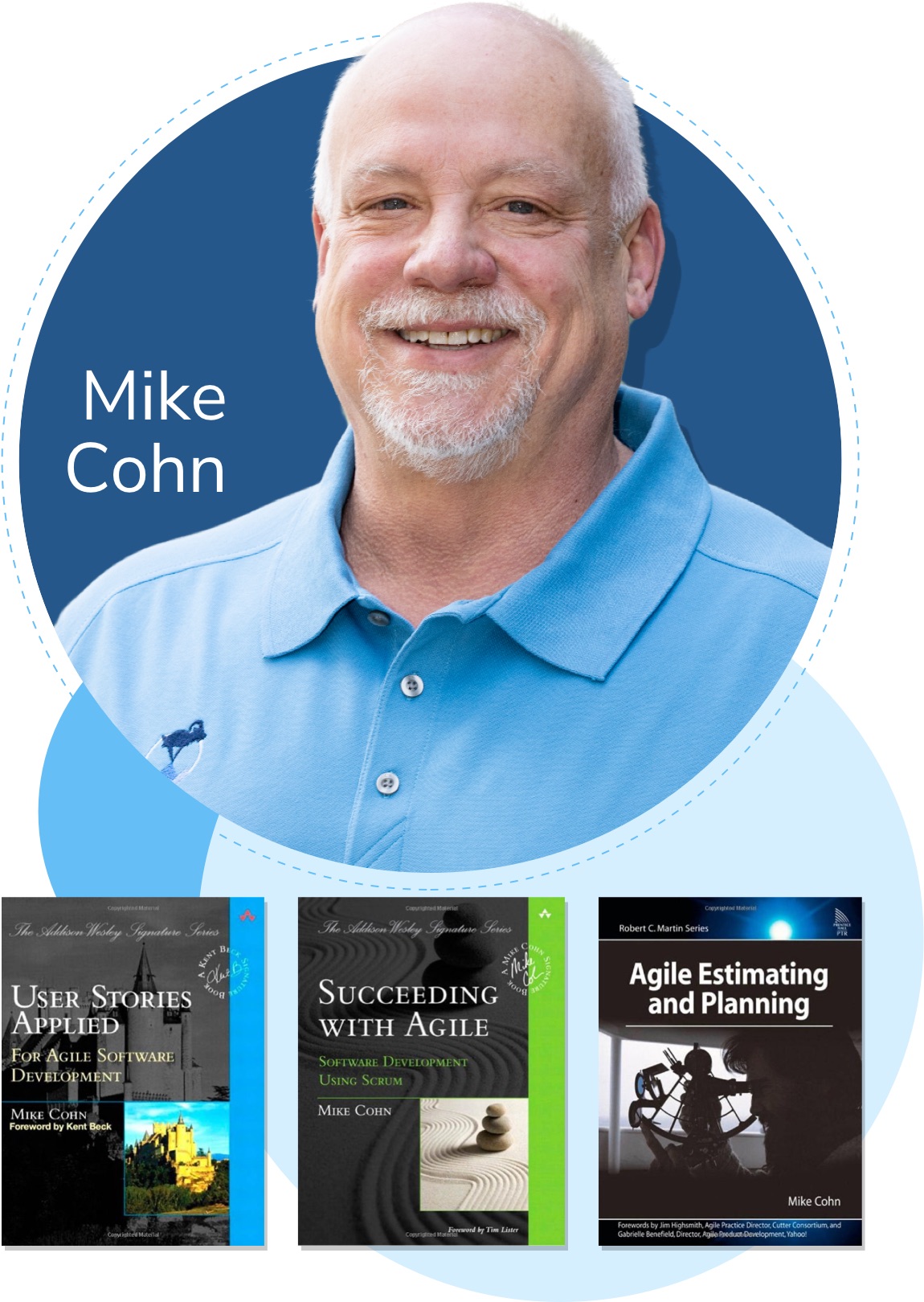
Mountain Goat Software was founded by Mike Cohn, a co-founder of both the Scrum Alliance and the Agile Alliance, and author of some of the most influential books in Agile software development, including User Stories Applied, Agile Estimating & Planning, and Succeeding with Agile.
For more than 25 years, Mountain Goat Software has helped teams and organizations adopt Scrum in ways that actually work—across industries, team types, and organizational cultures.
When you train with Mountain Goat, you’re learning from people who have:
- Helped define modern Agile practice
- Guided thousands of teams
- Seen what works, and what doesn’t, over decades
Common Ways Organizations Use Scrum Learning Sprints

Kickstart Scrum adoption for a new team without disrupting active delivery

Help an existing team improve sprint reliability and stakeholder confidence

Align Product Owners, Scrum Masters, and team members on consistent, outcome-focused practices
Scrum Learning Sprint Details
How Scrum Learning Sprints Work
See the sprint-based learning structure
Scrum Learning Sprints are delivered as four focused, 3-hour sessions spread over several weeks. Each session combines practical instruction, hands-on exercises, and immediate application to your team’s real work.
Rather than following a rigid, pre-set agenda, each learning sprint adapts to what your team needs most. Every session follows the same simple structure:
Learn and Practice
Your trainer introduces practical Scrum concepts, techniques, and examples, then helps the team practice them through exercises and discussion.
Choose a Sprint Goal
Before the session ends, the team selects one specific improvement goal to achieve before the next session. This might be trying a new approach to sprint planning, a new retrospective technique, changes to backlog improvement, or applying another practice covered during the session.
Plan the Next Learning Sprint
The team and trainer then decide on a “sprint backlog” for the next session: the topics, questions, and challenges most useful to cover next based on what the team is learning and experiencing.
Between sessions, the team applies what it has learned in its actual Scrum events and day-to-day work. The next session builds from that experience, creating a training approach that is practical, adaptive, and directly tied to better outcomes.
Who This Is For
Teams, leaders, and organizations using Scrum
Scrum Learning Sprints is ideal for:
- Scrum teams (Product Owners, Scrum Masters, developers, testers)
- Teams new to Scrum
- Teams using Scrum but not seeing better results
- Leaders and managers who support Scrum teams
This offering aligns closely with our Working on a Scrum Team course, while adding the benefit of adaptive, multi-session learning.
Format and Scheduling Options
Delivery modes, cadence, and timelines
Scrum Learning Sprints are delivered as live, online sessions for your team or organization. The short, focused format works especially well for distributed teams and fits into active delivery schedules with minimal disruption.
Most clients choose a four-sprint series delivered over 2–4 weeks to reinforce learning and support improvement between sessions. Shorter 60- or 90-minute sessions are also available for organizations that prefer a longer rollout.
Got a Question?
What happens when you contact us?
- We’ll get back to you within a day.
- Answer your training questions and discuss any custom needs.
- Recommend the best agile training path for your teams and goals.
- Want to talk to someone? Schedule a call.